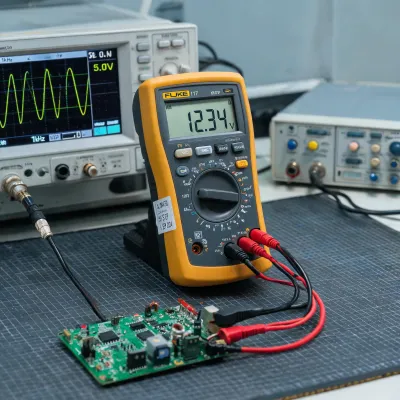
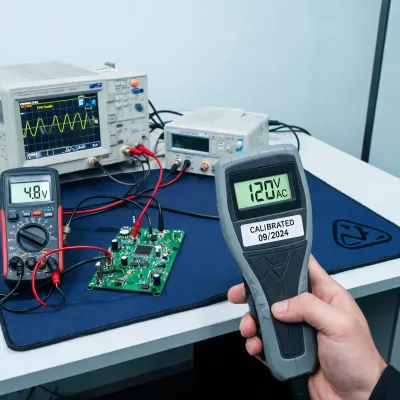
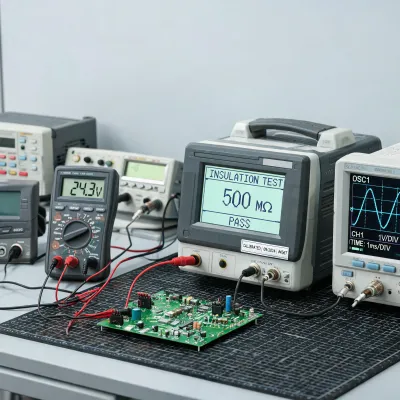
Testo product catalog for monitored sites and field teams
Use this catalog as a starting point for instrument selection. The short path is simple: define the measured medium, confirm the range, state the approval region, then ask for the calibration evidence that your quality or safety team will need later.
Choose by measurement task
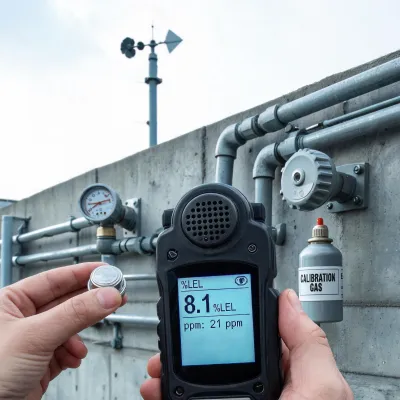
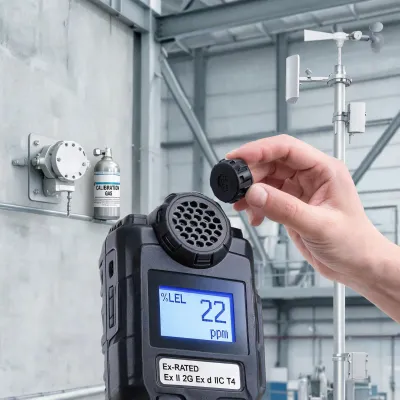
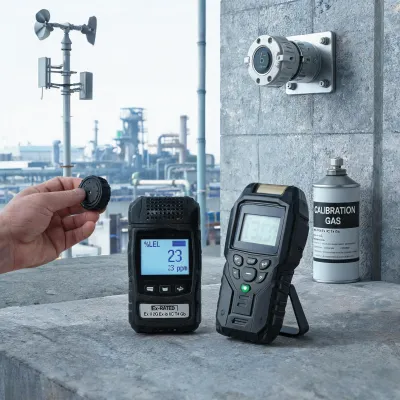
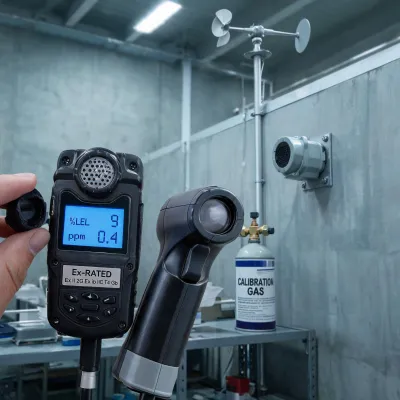
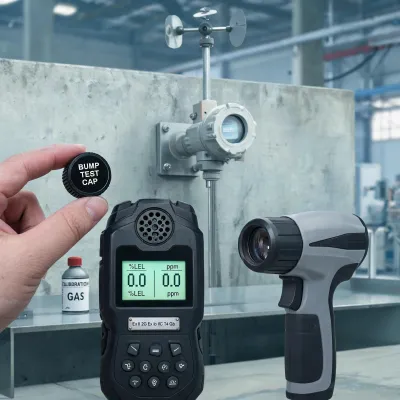
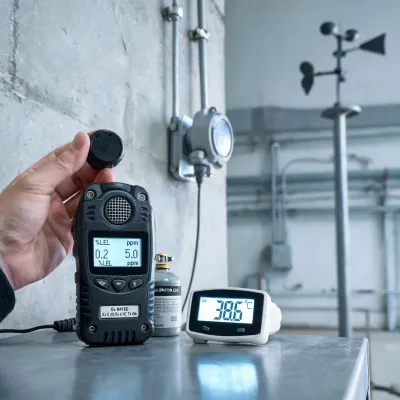
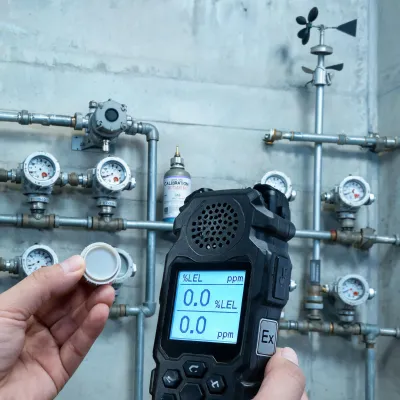
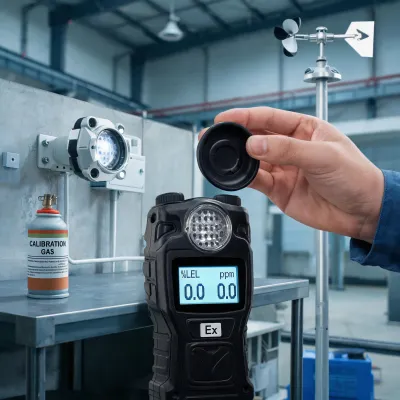
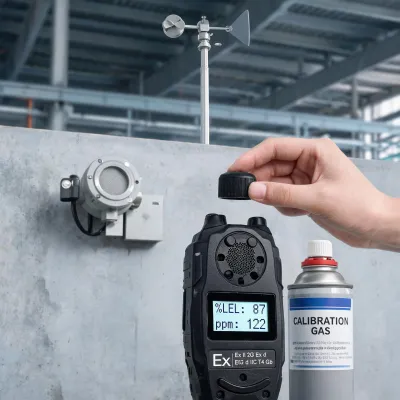
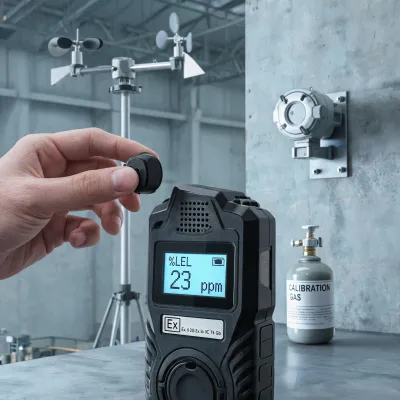
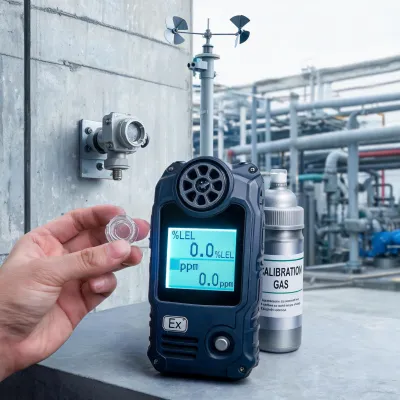
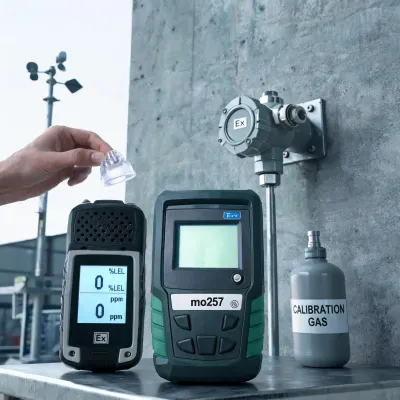
Environmental and gas monitoring requests usually begin with a safety or reporting question, not a part number. A refinery may need a portable detector for confined-space entry, a fixed head for unit-boundary monitoring, and a bump-test method that operations can repeat before every shift. A utility team may ask for a heat meter or water meter with the correct regional approval for billing. Testo keeps those tasks visible so the buying team does not compare instruments that answer different risks.
Confirm the evidence package
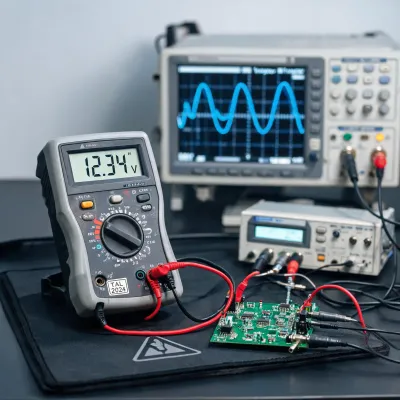
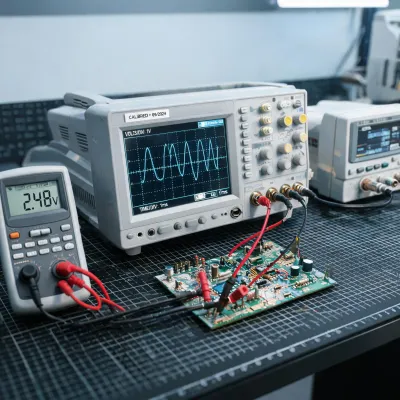
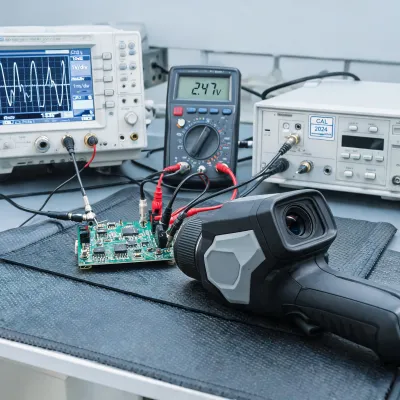
Calibration statements need a traceable chain. When a quote references calibrated instruments, ask whether the record is ISO/IEC 17025 accredited, whether the reference is traceable to NIST or another recognized national institute, and whether the certificate lists the points that matter to the site. That discipline prevents a low-cost tool from becoming expensive when an audit asks for the detail that was never ordered.
Shortlist by installation limits
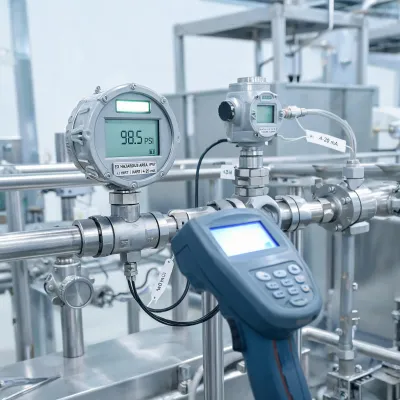
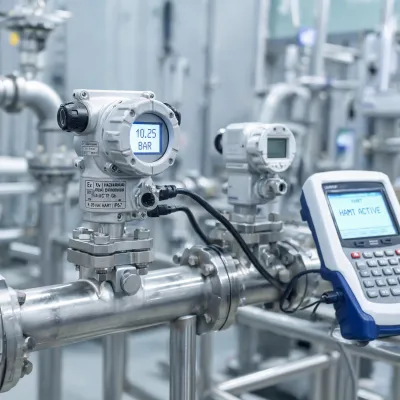
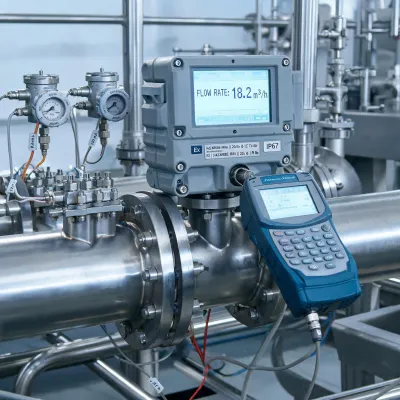
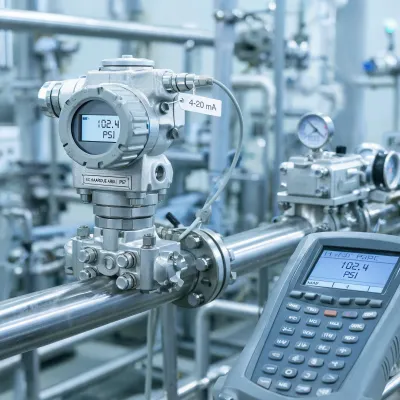
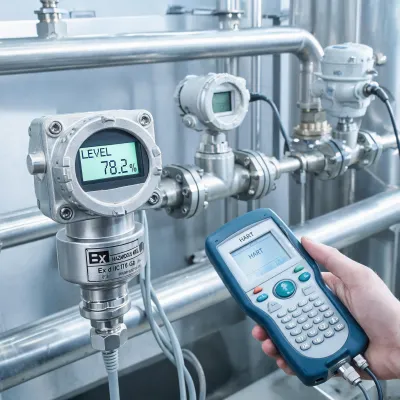
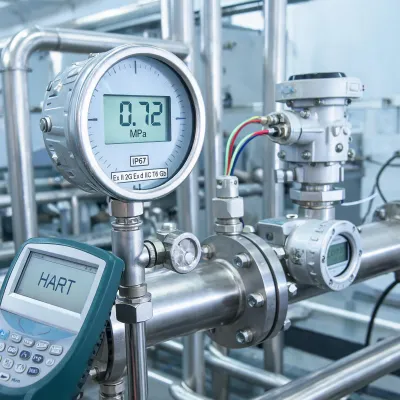
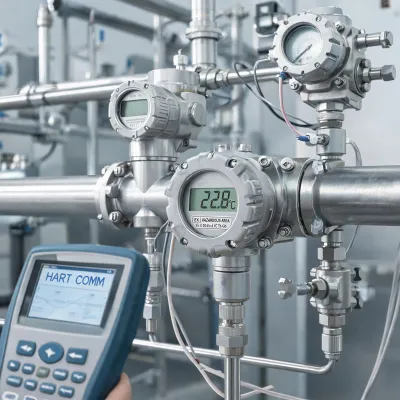
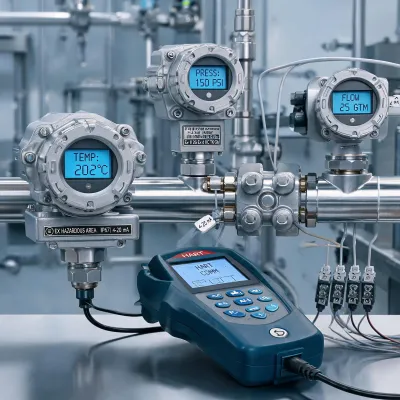
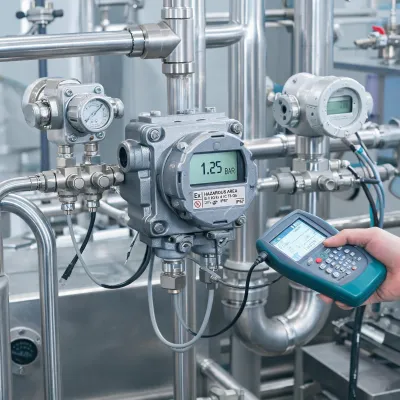
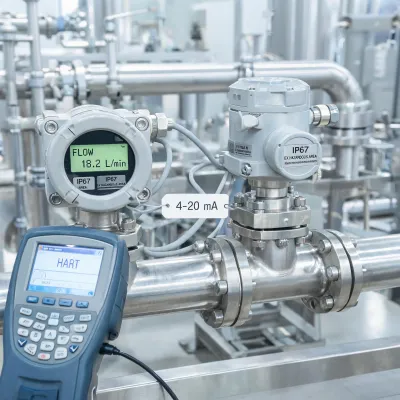
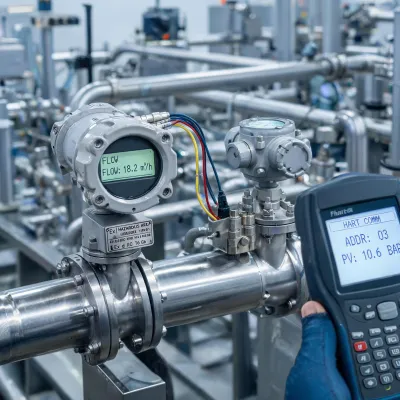
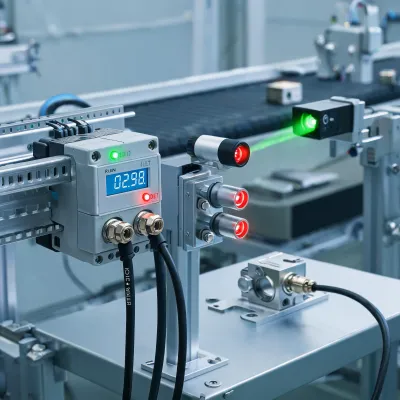
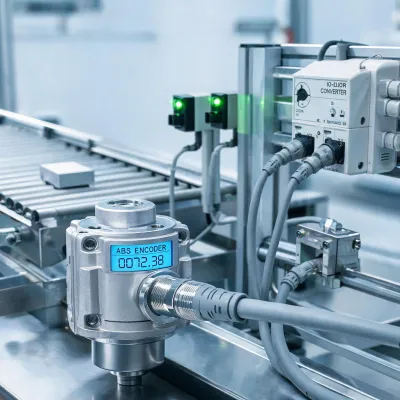
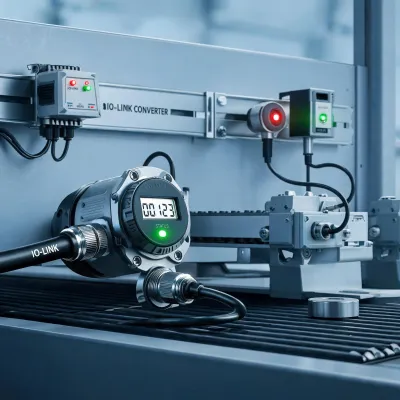
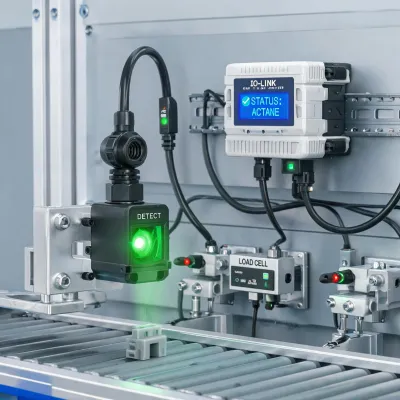
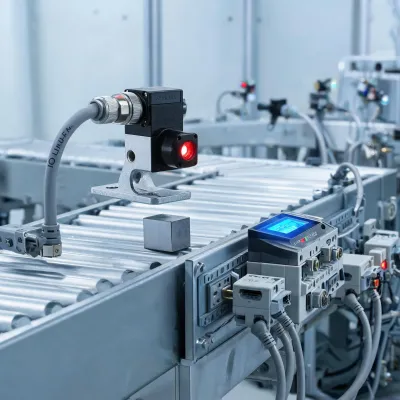
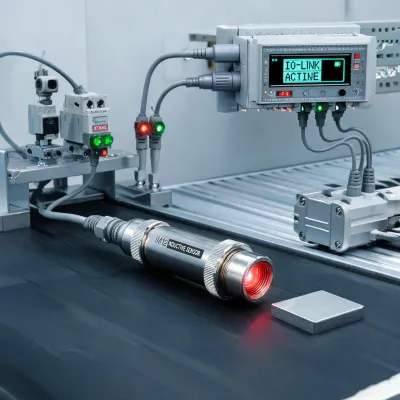
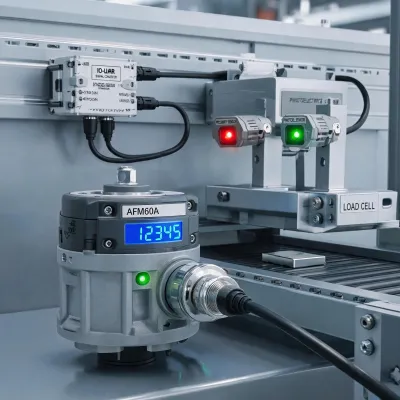
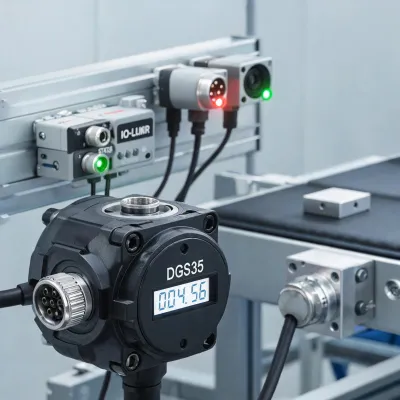
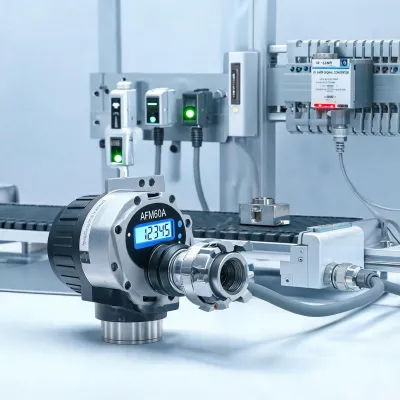
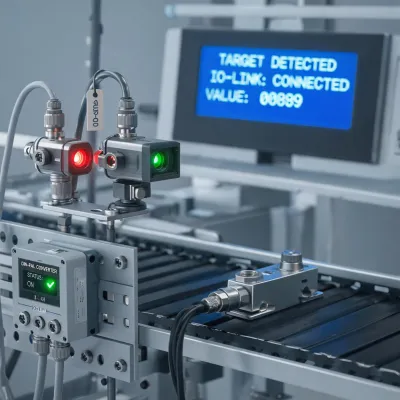
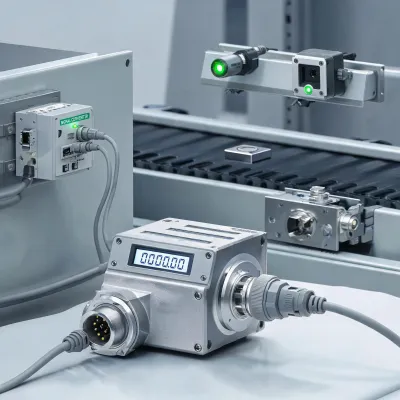
For process and sensor work, the mechanical and electrical limits are as important as the display. Flow, pressure, level, and temperature devices may need IP67 housings, 4-20 mA output, HART communication, M12 connectors, or hazardous-area markings such as Ex ia IIC T4 Ga for Zone 0. The practical selection step is to write those limits before comparing datasheets.